Sorry, you need to enable JavaScript to visit this website.
Skip to main content
University of Cambridge
  • Study at Cambridge
  • About the University
  • Research at Cambridge
Quick links
  • For Cambridge students
  • For staff
  • For alumni
  • For our researchers
  • Business and enterprise
  • Colleges and Departments
  • Give to Cambridge
  • Libraries
  • Museums and collections
Home
  • Study at Cambridge
  • Undergraduate
    • Undergraduate courses
    • Applying
    • Events and open days
    • Fees and finance
  • Postgraduate
    • Postgraduate courses
    • How to apply
    • Postgraduate events
    • Fees and funding
  • International students
  • Continuing education
  • Lifelong learning
  • Courses in education
  • About the University
  • How the University and Colleges work
  • Term dates and calendars
  • History
  • Map
  • Visiting the University
  • News
  • Annual reports
  • A global university
  • Equality and diversity
  • Events
  • Public engagement
  • Jobs
  • Give to Cambridge
  • Research at Cambridge
  • For Cambridge students
  • For staff
  • For alumni
  • For our researchers
  • Business and enterprise
  • Colleges and Departments
  • Give to Cambridge
  • Libraries
  • Museums and collections

Breadcrumb

  • Home
  • pollination

pollination Subscribe to RSS - pollination

Professor Mark Brown

What's killing our bees – and how they fight back

08 Apr 2026
Professor Mark Brown has devoted decades to defending pollinators from disease, pesticides and parasites.
Read more
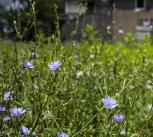
Chicory growing on unused land in Cleveland, USA.

Growing wildflowers on disused urban land can damage bee health

16 Apr 2025
Wildflowers growing on land previously used for buildings and factories can accumulate lead, arsenic and other metal contaminants from the soil, which...
Read more

Pollinators: first global risk index for species declines and effects on humanity

16 Aug 2021
The Global South may have most to lose from pollinator loss, with Latin America at particular risk due to crop exports and indigenous cultures.
Read more
Carpenter bee (Xylocopa flavorufa) visiting coffee flower (Coffea arabica)

Pollinator species vital to our food supply are under threat, warn experts

26 Feb 2016
A new report from experts and Government around the world addresses threats to animal pollinators such as bees, birds and bats that are vital to more...
Read more
Bee on a non-iridescent flower

Flowers tone down the iridescence of their petals and avoid confusing bees

25 Feb 2016
Latest research shows that flowers’ iridescent petals, which may look plain to human eyes, are perfectly tailored to a bee’s-eye-view.
Read more
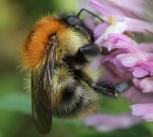
Bombus pascuorum

The Life and Death of the Queen Bumblebee

23 Sep 2015
The Cambridge Animal Alphabet series celebrates Cambridge's connections with animals through literature, art, science and society. Here, Q is for...
Read more
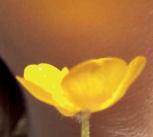
Buttercup under chin

Why buttercups reflect yellow on chins

14 Dec 2011
Scientists discover why buttercups reflect yellow on chins – and it doesn’t have anything to do with whether you like butter. The new research sheds...
Read more
Subscribe to pollination

Connect with us

  • Facebook
  • Instagram
  • LinkedIn
  • X
  • YouTube
University of Cambridge

© 2026 University of Cambridge

  • Contact the University
  • Accessibility
  • Freedom of information
  • Privacy policy and cookies
  • Statement on Modern Slavery
  • Terms and conditions
  • University A-Z

Study at Cambridge

  • Undergraduate
  • Postgraduate
  • Lifelong learning
  • Courses in education

About the University

  • How the University and Colleges work
  • Give to Cambridge
  • Jobs
  • Map
  • Visiting the University
  • Cambridge University Press & Assessment

Research at Cambridge

  • Research news
  • About research at Cambridge
  • Public engagement