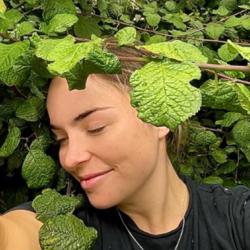
Gates Cambridge: class of 2025
30 April 202595 future leaders have been selected as Gates Cambridge Scholars in the scholarship's 25th anniversary year.

Research
95 future leaders have been selected as Gates Cambridge Scholars in the scholarship's 25th anniversary year.

Findings from a major Cambridge-led study inspired psychologists to co-produce a picture book that helps parents develop a deeper understanding of how their child is coping with the first year of school.

Adolescents who sleep for longer – and from an earlier bedtime – than their peers tend to have improved brain function and perform better at...

Documentary heritage relating to the life and work of Charles Darwin has been recognised on the prestigious UNESCO International Memory of the World Register, highlighting...

Fifty years since its discovery, scientists have finally worked out how a molecular machine found in mitochondria, the ‘powerhouses’ of our cells, allows us to...
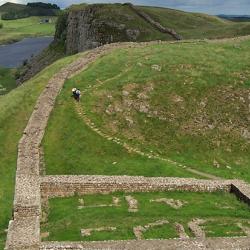
Three consecutive years of drought contributed to the ‘Barbarian Conspiracy’, a pivotal moment in the history of Roman Britain, a new Cambridge-led study reveals. Researchers...

Astronomers have detected the most promising signs yet of a possible biosignature outside the solar system, although they remain cautious.

Metformin, a widely used and affordable diabetes drug, could prevent a form of acute myeloid leukaemia in people at high risk of the disease, a...
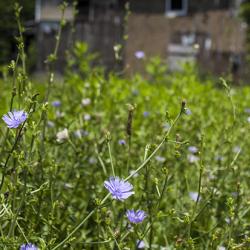
Wildflowers growing on land previously used for buildings and factories can accumulate lead, arsenic and other metal contaminants from the soil, which are consumed by...
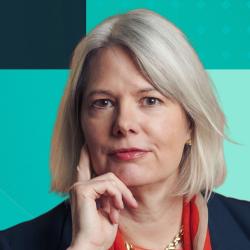
What is the best framework for the global governance of AI? How do we respond to tech companies who argue against regulation? Is our current...
© 2025 University of Cambridge