
Turbocharging the race to protect nature and climate with AI
06 April 2025Rebalancing the planet must happen faster. Cambridge researchers are using AI to help.

Rebalancing the planet must happen faster. Cambridge researchers are using AI to help.
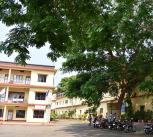
While trees can cool some cities significantly during the day, new research shows that tree canopies can also trap heat and raise temperatures at night. The study aims to help urban planners choose the best combinations of trees and planting locations to combat urban heat stress.

Green industry experts gave Cambridge students a tour of careers in the environment during a two-week Green Careers Festival, including how to land a green job.

Cambridge Zero symposium gathers researchers to examine the connections between planetary and public health.

First of its kind AI-model can help policymakers efficiently identify and prioritize houses for retrofitting and other decarbonizing measures.

Social media engagement with climate policy events is vital to reducing building emissions and ensuring environmental justice, research led by Cambridge suggests

The Government of India’s use of nudge theory in the first three months of the pandemic helped to tackle the virus on numerous fronts, a new study suggests.

Millions of new houses being built for former slum-dwellers are failing their residents and fuelling unnecessary energy use. New research aims to improve their design before it’s too late.

© 2025 University of Cambridge