

Genetic mutation in a quarter of all Labradors hard-wires them for obesity
New research finds around a quarter of Labrador retriever dogs face a double-whammy of feeling hungry all the time and burning fewer calories due to a genetic mutation.
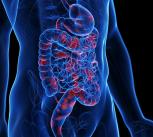
A large-scale clinical trial of treatment strategies for Crohn’s disease has shown that offering early advanced therapy to all patients straight after diagnosis can drastically improve outcomes, including by reducing the number of people requiring urgent abdominal surgery for treatment of their disease by ten-fold.
Researchers have discovered that misreading of therapeutic mRNAs by the cell’s decoding machinery can cause an unintended immune response in the body. They have identified the sequence within the mRNA that causes this to occur and found a way to prevent ‘off-target’ immune responses to enable the safer design of future mRNA therapeutics.
Part IV - The Finale: To mark International Women's Day and Women's History Month, the University is delighted to shine a light on some of the incredible women living and working here at Cambridge.
Cambridge's Experimental Medicine Initiative, working with AstraZeneca and GSK, is training specialists who can work out at an earlier stage of clinical trials if a treatment is likely to succeed.
Scientists have developed a ‘nanobody’ – a small fragment of a llama antibody – that is capable of chasing out human cytomegalovirus (HCMV) as it hides away from the immune system. This then enables immune cells to seek out and destroy this potentially deadly virus.
One of the key mutations seen in the ‘Alpha variant’ of SARS-CoV-2 – the deletion of two amino acids, H69/V70 – enables the virus to overcome cracks in its armour as it evolves, say an international team of scientists.
New research provides important insights into the role played by the immune system in preventing – and in some cases increasing the severity of – COVID-19 symptoms in patients. It also finds clues to why some people experience ‘long COVID’.
Cambridge-led study discovers new genetic causes of rare diseases, potentially leading to improved diagnosis and better patient care.
Mitochondria, the ‘batteries’ that produce our energy, interact with the cell’s nucleus in subtle ways previously unseen in humans, according to research published today in the journal Science.
© 2026 University of Cambridge