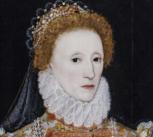
Queen Elizabeth I would tell Boris to tax the rich rather than cut universal credit, a new book argues
A new book about how Covid-19 rocked the world argues that Elizabeth I would have supported the poor in the aftermath of the pandemic.

The decision about if and when to have children can be one of the most significant many people will ever make. But – for those who have the choice – what influences come into play, and how have these changed over time?
250 years ago, over one-fifth of Londoners had been treated for syphilis by their 35th birthday, historians have calculated.
A ‘radical’ plan by three members of the same family to boost UK growth has been named as one of the first winners of the £100,000 Institute for Public Policy Research (IPPR) Economics Prize, one of the world’s largest prizes in the discipline.
The unlikely coincidence of a local hospital record and a census led by a pioneering physician has enabled the first study charting rates of venereal disease in 18th century England, revealing high infection levels in the city of Chester at this time.
Amid ongoing welfare cuts, researchers argue that investment in health and social care have been integral to British economic success since 1600.
© 2026 University of Cambridge