
AI can be good for our health and wellbeing
07 April 2025Cambridge researchers are looking at ways that AI can transform everything from drug discovery to Alzheimer's diagnoses to GP consultations.

Cambridge researchers are looking at ways that AI can transform everything from drug discovery to Alzheimer's diagnoses to GP consultations.

A large-scale international collaboration has identified new genes associated with breast cancer that could eventually be included in tests to identify women at increased risk of the disease.
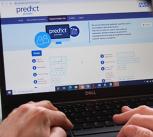
PREDICT Breast and Prostate, powerful online risk communication tools developed by Cambridge researchers, have helped thousands of patients across the world reach better clinical outcomes, avoid unnecessary treatments and suffer less distress.

A genetic study in Asian women, led by Malaysian scientists in collaboration with Singapore and the University of Cambridge, has revealed that a genetic tool developed to help assess breast cancer risk in European women also works in Asian women. This could help address the rising incidence of breast cancer in Asia.

A major international study of the genetics of breast cancer has identified more than 350 DNA ‘errors’ that increase an individual’s risk of developing the disease. The scientists involved say these errors may influence as many as 190 genes.

Seventy-two new genetic variants that contribute to the risk of developing breast cancer have been identified by a major international collaboration involving hundreds of researchers worldwide.

An international study of almost 120,000 women has newly identified five genetic variants affecting risk of breast cancer, all of which are believed to influence how breast cells respond to the female sex hormone oestrogen.

© 2025 University of Cambridge